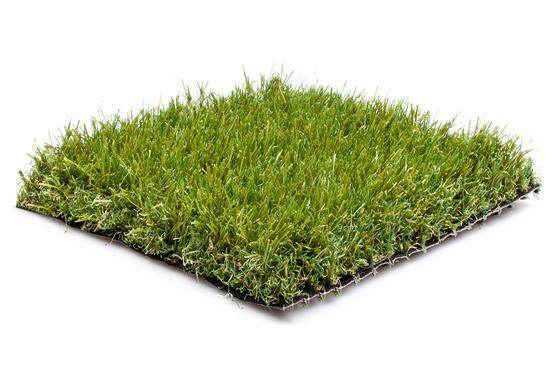

 Free Samples

 Super-Fast Delivery
 Excellent Reviews


Artificial Grass for Developers and Contractors: Planning, Specifying and Installing
Commercial artificial grass projects require more than simply selecting a product that looks good on completion day. Developers, contractors, landscapers and specifiers need to consider how the surface will perform over time, how it will cope with expected use and whether the installation has been designed to support long-term project objectives.
Whether the project involves a housing development, school, hospitality venue or public space, successful outcomes are usually driven by careful planning, appropriate specification and quality installation. The wrong product, inadequate drainage planning or poor groundwork can create issues that affect appearance, performance and maintenance requirements long after handover.
This guide explains how commercial buyers can approach specification and installation decisions with greater confidence. From understanding performance requirements through to selecting a supplier, the goal is to help contractors and developers make informed choices that support project success.
What Commercial Buyers Need from Artificial Grass

Commercial buyers typically prioritise durability, reliability and long-term performance over purely aesthetic considerations.
Unlike residential projects, commercial installations often need to satisfy multiple stakeholders. Contractors may be focused on installation efficiency and project delivery, while developers are considering long-term maintenance and visual appeal. Architects and landscape designers may place greater emphasis on appearance and specification suitability.
|
Priority |
Housing Development |
Nursery Play Area |
|
Appearance |
High |
Medium |
|
Durability |
Medium |
High |
|
Safety Considerations |
Medium |
High |
|
Drainage Requirements |
High |
High |
|
Maintenance Access |
Medium |
High |
|
Footfall Expectations |
Medium |
High |
One of the most common mistakes in commercial landscaping projects is treating all artificial grass applications as though they have identical requirements. In reality, a show home garden, hotel terrace and school play area all place different demands on the surface.
Commercial buyers should therefore start by defining project objectives. Questions worth considering include:
-
How much footfall is expected?
-
Who will use the space?
-
Is appearance or durability the primary priority?
-
Are there specific drainage challenges?
-
What maintenance resources will be available after installation?
Taking a specification-led approach helps reduce the likelihood of costly replacements, remedial works and performance issues later in the project's lifecycle.
Key Project Types That Use Artificial Grass
Artificial grass is used across a wide range of commercial environments where durability and appearance are important.
Housing Developments
Housing developers frequently use artificial grass in show homes, communal gardens, roof terraces and shared outdoor areas.
In these environments, appearance often plays a significant role. Prospective buyers and residents expect outdoor spaces to look attractive throughout the year, regardless of weather conditions. However, appearance alone should not dictate specification.
Communal areas may experience regular use from residents, children and pets. Products therefore need to balance visual appeal with durability and ease of maintenance. Developers should also consider long-term management arrangements, particularly where maintenance responsibilities transfer to management companies after project completion.
Schools and Nurseries
Educational environments often require a different specification approach.
Artificial grass in schools and nurseries may be used daily throughout the year. The surface may be exposed to running, play activities and concentrated wear in popular areas.
When planning these projects, considerations often include comfort, drainage, maintenance access and whether shockpads may be appropriate for the intended use. Early assessment of project requirements can help avoid costly specification changes later in the process.
Hospitality and Leisure
Hotels, restaurants, event venues and leisure facilities frequently use artificial grass to create attractive outdoor environments.
These spaces often need to maintain a consistent appearance despite heavy use from guests. Product selection should therefore consider both aesthetics and resilience.
High-profile commercial venues may also place greater emphasis on presentation. Surface consistency, realistic appearance and installation quality can all contribute to the overall visitor experience.
Public Realm Projects
Public spaces often present some of the most demanding commercial environments.
Areas such as town centres, community spaces and publicly accessible developments may experience significant footfall throughout the year. Durability, drainage performance and maintenance planning often become major specification priorities.
In these settings, selecting a product solely on appearance can lead to disappointment if the system is not capable of supporting expected usage levels.
Understanding Performance Requirements
Performance requirements should always be assessed before selecting a product.
Before exploring available artificial grass options, commercial buyers should establish exactly what the surface needs to achieve.
Durability and Wear Expectations
Expected usage should play a major role in specification decisions.
A decorative courtyard within a residential development may experience relatively light use, while a public-facing commercial space could see hundreds of visitors each day. These different usage patterns can influence the suitability of various artificial grass products.
Higher-density products are often considered where durability is a key requirement because they typically provide greater fibre support and improved surface resilience. Equally, selecting an unnecessarily heavy-duty product for a lightly used area may increase project costs without delivering meaningful benefits.
Commercial buyers should also consider how wear is likely to occur. Some environments experience evenly distributed traffic, while others develop concentrated wear routes around entrances, pathways or seating areas. Understanding these patterns can help inform more effective specification decisions.
Drainage and Weather Resistance
UK weather conditions can place significant demands on outdoor surfaces.
Artificial grass systems should always be considered alongside the site's drainage strategy. Poor drainage can affect surface performance regardless of product quality.
Commercial projects often face additional challenges, including existing drainage infrastructure, clay-heavy ground conditions, sloping sites and strict surface water management requirements. Assessing these factors before specification allows potential issues to be identified early.
Drainage planning should consider both the grass system itself and the wider construction build-up beneath it. Effective water management relies on the combined performance of the product, sub-base and surrounding site infrastructure.
Safety and Slip Resistance
Safety requirements vary considerably between project types.
Educational environments, hospitality venues and public-facing developments may all have different priorities and performance expectations. Project teams should identify any relevant requirements at the planning stage and assess how these may influence specification decisions.
It is also important to recognise that safety considerations extend beyond the grass product itself. Ground preparation, drainage performance, installation quality and ongoing maintenance can all influence the overall usability of the finished surface.
Choosing the Right Grass Specification
The most suitable product depends on usage, expected traffic and project objectives.
Commercial buyers should avoid selecting products based solely on appearance or price. Instead, the specification should reflect how the space will be used and what the project needs to achieve.
Reviewing product samples can be particularly useful at this stage. Comparing different pile heights, densities, and colour blends side by side often provides a clearer understanding of how a product may suit the project's visual and performance requirements.
Tuda Grass offers a range of artificial grass options designed to suit different commercial environments, helping contractors and developers compare specifications against project objectives rather than selecting purely on appearance or price; if you’re unsure then our guide to choose artificial grass suitable for you will help you in the right direction.
Pile Height
Pile height influences both appearance and surface behaviour.
Longer pile products often provide a softer, more natural-looking finish that may appeal to residential developments and hospitality projects. Shorter pile options can offer a neater appearance and may be more suitable where stability and practicality are priorities.
The correct choice depends on project objectives. Selecting the tallest available pile height does not automatically deliver the best outcome. Commercial buyers should balance appearance, expected use and maintenance considerations when evaluating options.
Density and Stitch Rate
Density and stitch rate are among the most important factors affecting durability and surface recovery.
In simple terms, density refers to the amount of yarn present within the product. Higher-density options generally contain more fibres, creating a fuller appearance and providing additional support for the pile.
For commercial environments, density can influence how well the surface copes with repeated use. Areas exposed to regular footfall often benefit from specifications designed to maintain their appearance under greater levels of traffic.
While higher-density products may involve a larger initial investment, they are often considered where long-term durability is a significant project requirement.
Yarn Type and Colour Blend
Yarn construction contributes to both performance and visual appearance.
Different yarn types can create different textures, while colour blends influence realism and overall presentation. Multi-tone colour combinations are often used to replicate the variation found in natural grass.
Commercial projects frequently seek a balance between aesthetics and practicality. Hospitality environments may prioritise visual impact, while public realm projects may place greater emphasis on resilience and consistency.
The most appropriate choice will depend on the intended use of the space and the expectations of those who will use it.
Backing Strength and Stability
The backing system plays an important role in the overall performance of an artificial grass installation.
A strong, stable backing helps support dimensional consistency during installation and throughout the life of the surface. It can also contribute to effective seaming and jointing performance.
For larger commercial installations, backing stability becomes increasingly important. Even small movements can become more noticeable across expansive areas, making specification quality a key consideration.
The Role of Shockpads in Commercial Installations

Shockpads may improve comfort and impact absorption in certain commercial environments.
They are not necessary for every project, but they can form an important part of the overall system where additional cushioning or impact attenuation is required.
When Shockpads Are Needed
Shockpads are most commonly considered in environments where users may benefit from a more forgiving surface.
Examples may include play environments, recreational spaces and educational facilities. However, whether a shockpad is required depends on project-specific requirements and should be assessed during the planning stage.
Waiting until installation begins can result in specification changes, programme delays and additional costs.
Safety and Compliance Considerations
Where compliance requirements apply, project teams should assess relevant standards before selecting products or installation methods.
Artificial grass and shockpad systems should be evaluated as part of the overall surface build-up rather than as separate components. Early consultation can help ensure that project requirements are understood before procurement decisions are made.
Performance Benefits in High-Use Areas
In addition to impact absorption, shockpads may contribute to comfort and surface consistency.
They can also help create a more uniform feel beneath the surface, particularly across areas exposed to regular use. Whether these benefits justify the additional investment will depend on the project's objectives and operational requirements.
Sub-Base and Ground Preparation Essentials
Long-term performance depends heavily on proper groundwork.
Many artificial grass issues originate beneath the surface rather than within the grass product itself.
Excavation and Levels
Successful installations begin with accurate excavation and level preparation.
Removing unsuitable materials and establishing correct levels helps create the foundation for effective drainage and surface performance. Small errors at this stage can become more noticeable after installation.
Aggregate Layers and Compaction
The sub-base provides structural support for the entire system.
Proper aggregate selection and compaction help minimise future settlement while supporting drainage performance. Inadequate compaction can lead to movement, uneven surfaces and premature performance issues.
For commercial projects, sub-base quality should be viewed as a critical part of the overall specification rather than an area for cost reduction.
Edging and Restraint Systems
Edge restraint systems help secure the installation and maintain perimeter stability.
The most appropriate solution will depend on site conditions, construction details and expected usage. Effective edging contributes to both appearance and long-term performance.
Common Contractor Errors
Some of the most common issues include:
-
Insufficient excavation depth
-
Inadequate compaction
-
Poor level control
-
Weak edge restraint design
-
Failure to assess drainage conditions
Many of these problems can be avoided through careful planning and adherence to installation best practice.
Drainage Considerations for Long-Term Performance
Poor drainage can undermine even the best artificial grass specification.
Drainage planning should begin during site assessment and continue throughout the design process.
Commercial sites often present unique challenges. Existing infrastructure, variable soil conditions and site-specific planning requirements can all affect drainage performance.
Contractors should consider how water will move through the artificial grass system, into the sub-base and away from the installation area. Focusing only on the grass product without considering wider site conditions can create avoidable problems.
Particular attention should be paid to:
-
Existing drainage infrastructure
-
Surface water management
-
Ground conditions
-
Site levels
-
Construction interfaces
-
Areas prone to water accumulation
Addressing drainage considerations early can help support long-term performance and reduce the likelihood of remedial work after project completion.
Installation Best Practice for Commercial Projects
Installation quality is just as important as product selection.
Even a well-specified product may not achieve the desired result if installation standards are compromised.
Seaming and Jointing
Joins should be carefully planned and executed to minimise visibility and maintain surface consistency.
Poorly positioned or poorly constructed seams can affect both appearance and long-term performance. Larger commercial projects often require additional planning to ensure joins are located appropriately.
Fixing Methods
Fixing methods should reflect the project environment and construction details.
The approach used around perimeters, edges and transitions can influence installation stability. Secure fixing helps maintain surface integrity over time.
Infill and Finishing
Where infill forms part of the specification, it should be applied consistently and in accordance with project requirements.
Brushing and finishing processes help support fibre presentation and create a more uniform appearance. These final stages can have a significant impact on the quality of the completed installation.
Common Specification Mistakes to Avoid
Many commercial issues stem from incorrect specification rather than product failure.
|
Mistake |
Consequence |
Better Approach |
|
Choosing by price alone |
Product may not suit project demands |
Evaluate whole-life value |
|
Ignoring drainage |
Water management issues |
Assess site drainage early |
|
Incorrect pile height |
Appearance or performance mismatch |
Match product to usage |
|
Weak sub-base design |
Surface movement |
Prioritise groundwork quality |
|
Overlooking maintenance |
Reduced appearance over time |
Establish maintenance plans |
Many of these issues can be avoided by assessing project requirements before procurement begins.
Artificial Grass for Different Commercial Sectors
Different environments require different performance priorities.
Schools and Nurseries
Educational settings often require surfaces capable of supporting regular daily use.
Comfort, drainage, maintenance access and project-specific safety considerations may all influence specification decisions. Planning should account for how the space will be used throughout the year rather than focusing solely on installation day performance.
Hospitality and Leisure
Hotels, restaurants and leisure venues often prioritise appearance alongside durability.
These environments rely heavily on presentation, making product selection and installation quality particularly important. Surface consistency and long-term visual appeal can contribute to the overall visitor experience.
Housing Developments
Housing projects frequently require a balance between aesthetics, practicality and ongoing maintenance considerations.
Developers often seek specifications that help create attractive outdoor spaces while supporting manageable long-term upkeep requirements.
In larger schemes, different areas may require different performance priorities. A show home garden, communal courtyard and shared recreational space may all experience varying levels of use.
Tuda Grass regularly works with developers and landscapers who need to balance appearance, durability and budget across multiple areas within the same project.
Public Realm and Local Authority Spaces
Publicly accessible environments often experience higher footfall than many other commercial applications.
Durability, maintenance planning and long-term value are frequently key specification drivers. Product selection should reflect expected usage patterns and operational priorities.
Maintenance Expectations After Installation
Artificial grass generally requires less maintenance than natural turf, but it still requires ongoing care.
Maintenance helps preserve appearance and supports long-term performance.
Typical maintenance activities include:
-
Brushing fibres
-
Removing leaves and debris
-
Inspecting joins
-
Checking edges
-
Monitoring drainage performance
-
Reviewing high-use areas
Commercial sites often benefit from scheduled maintenance programmes. Routine inspections can help identify minor issues before they develop into more significant problems.
Balancing Cost, Performance and Project Goals
The lowest upfront cost is not always the most cost-effective long-term solution.
Commercial buyers should consider the entire lifecycle of the installation rather than focusing solely on procurement costs.
Factors worth evaluating include:
-
Expected footfall
-
Maintenance requirements
-
Ground preparation quality
-
Installation standards
-
Future replacement costs
-
Project objectives
In many cases, investing appropriately in specification and groundwork may provide better long-term value than selecting the lowest-cost option available.
Choosing a Supplier for Commercial Artificial Grass Projects
The right supplier should support both specification and project delivery.
Commercial buyers often require more than access to products. Access to samples, specification guidance and dependable product availability can all play an important role in project planning.
Tuda Grass works with landscapers, contractors and developers across a wide range of project types, supporting buyers who need greater confidence when comparing products and finalising specifications.
When evaluating suppliers, consider:
-
Product range
-
Technical guidance
-
Availability
-
Delivery reliability
-
Trade support
-
Commercial project experience
Whether you are planning a housing development, educational environment, hospitality venue or public realm project, selecting the right artificial grass system starts with understanding the specific demands of the site.
If you are comparing options for an upcoming commercial installation, then contact us at Tuda Grass for help in exploring suitable products and discussing the specification considerations that may influence long-term project performance.
