
 Free Samples

 Super-Fast Delivery
 Excellent Reviews


Artificial Grass Samples: What Should You Look for Before Buying?
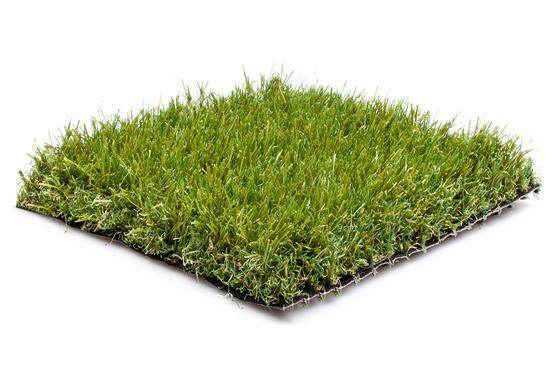
Choosing an artificial grass sample in the garden where it will be installed provides a far more accurate impression than viewing it indoors. Compare each sample's colour, pile, density, fibre recovery and backing, then confirm the technical details using the product specification before making a decision.
This guide explains how to assess artificial grass samples in a consistent way, helping you shortlist products that suit your garden, lifestyle and intended use with greater confidence.
Begin With the Garden, Not the Sample

Before comparing fibres or pile height, decide what your lawn needs to achieve. A decorative garden has different priorities from a family lawn, pet area or frequently used pathway.
Before opening your sample pack, consider:
-
Where the grass will be installed.
-
How frequently the area will be used.
-
Whether children or pets will use it.
-
If furniture will remain on the lawn.
-
Whether the space is mainly sunny or shaded.
-
Whether appearance or resilience matters most.
Defining your priorities first gives every sample a clear purpose, making it easier to compare products based on how your garden will actually be used rather than appearance alone.
View Every Sample in Natural Daylight
Artificial grass can look noticeably different outdoors, making natural daylight the best place to compare samples.
Use the same routine for every sample:
-
Lay it in the intended area.
-
View it in sun and shade.
-
Compare it beside paving, borders or decking.
-
Check the view from the house and seating area.
-
Remove unsuitable colours before assessing other features.
Photographs can help you review your shortlist later, although your own observations should always guide the final decision.
Check the Colour Mix, Not Just the Main Shade
Natural-looking artificial grass usually combines several green tones with visible brown or beige thatch, creating greater depth and variation.
When comparing samples, look for:
-
Variation between blade colours.
-
Visible thatch within the pile.
-
How the colour complements surrounding materials.
-
Whether the overall appearance suits your garden style.
Avoid assuming one colour blend is automatically more realistic than another. The best choice is the one which looks most convincing in your own outdoor space.
Turn the Sample Around Before Judging Its Appearance
Artificial grass can appear lighter or darker depending on the direction of the pile, making it important to view each sample from more than one angle.
Place the sample on the ground and rotate it through 180 degrees. Then view it from the house, seating area and main approach into the garden.
Avoid rejecting a sample until you've seen it in both directions. A change in pile direction can noticeably affect the finished appearance once the lawn is installed.
Compare Pile Height and Density Together

Pile height refers to fibre length, while density affects how full the lawn appears. Compare both together rather than treating either as a sign of quality. Use the sample to judge appearance, then confirm the exact measurements in the product specification.
What to Notice About Pile Height
View the sample beside paving or borders and brush the fibres gently to see how they sit. Longer pile can create a softer look, while shorter pile may appear tidier, depending on the style you prefer.
What to Notice About Density
Part the fibres to check how visible the backing is, then compare each sample from standing height. A fuller appearance may indicate closer fibre spacing, although the product specification should always confirm the details before you make your final choice.
Test the Texture Without Choosing on Softness Alone
Softness contributes to comfort, although it should never be the only reason for choosing a product.
Run the palm of your hand across each sample and notice whether the fibres feel soft, springy or firmer under pressure. If family members are likely to walk barefoot or children will spend time playing outdoors, comfort may become a higher priority.
Personal preference is important, although softness alone does not indicate durability, traffic suitability or long-term performance. Always balance how the sample feels with its intended use and the supporting product information.
Press the Fibres and Watch How They Recover
A light compression test provides an initial indication of how the fibres respond after pressure.
Use the same method on every sample:
-
Place the same flat object on each sample for a short period.
-
Remove it and observe the fibres.
-
Brush the pile gently by hand.
-
Compare how each sample responds under identical conditions.
This exercise helps create a fair comparison, although it cannot predict how a completed lawn will perform after years of use. Check the product specification if you need guidance on suitability for heavier foot traffic.
Look Closely at the Backing
The reverse of the sample can reveal useful construction details, although appearance alone does not confirm drainage performance or long-term strength.
Inspect the backing for:
-
Secure fibre stitching.
-
Clean construction.
-
Visible drainage holes where applicable.
-
Flexibility without obvious cracking.
-
Product labels or identification codes.
A sample may show drainage holes, although the drainage rate itself should always be confirmed within the verified product specification. Likewise, the backing provides an indication of construction rather than proof of durability.
Place Samples Beside the Rest of the Garden
A sample may look appealing on its own, although the finished result depends on its surroundings. Place each sample beside paving, composite decking, borders, fencing or planting to see how the colours work together.
View them from inside your home as well as from the garden, since this is where you'll see the lawn most frequently. Comparing samples within their intended setting makes it easier to choose a product which complements the overall garden design.
Match the Sample to How the Garden Will Be Used
The right sample is the one that supports your priorities, not the product which appears longest, softest or fullest at first glance.
|
Garden Use |
Prioritise |
Verify |
|
Decorative lawn |
Colour, realism and pile direction |
Product specification |
|
Family garden |
Comfort and fibre recovery |
Intended use and maintenance guidance |
|
Pet area |
Fibre condition and cleanability |
Pet suitability and drainage information |
|
Busy pathway |
Density and recovery |
Traffic suitability |
|
Courtyard |
Colour in shade |
Drainage and installation guidance |
|
Seating area |
Comfort and appearance |
Maintenance requirements |
Once you have narrowed your options, explore the artificial grass range to compare the specifications of your shortlisted products before making a final decision.
Check the Product Specification Before Making a Decision
A sample helps you judge appearance and texture, while the product specification confirms the technical details a physical comparison cannot provide.
Check:
-
Verified pile height.
-
Fibre material.
-
Backing construction.
-
Intended use.
-
Drainage information.
-
UV performance where stated.
-
Warranty details.
-
Roll widths.
-
Installation guidance.
-
Recommended accessories.
Your observations and the specification should work together, giving confidence that the product matches both your expectations and your garden.
Common Mistakes When Comparing Artificial Grass Samples
Avoid these common errors:
-
Comparing samples only indoors instead of outdoors.
-
Choosing the brightest shade without considering surrounding materials.
-
Judging quality on softness alone.
-
Assuming longer pile always looks better.
-
Ignoring pile direction.
-
Viewing samples only from close range.
-
Forgetting to compare them beside paving, borders or decking.
-
Treating a sample as proof of pet or child suitability.
-
Overlooking the product specification.
-
Choosing before deciding how the lawn will be used.
Each mistake increases the chance of selecting a product that looks appealing in isolation yet feels less suitable once installed.
A Simple Artificial Grass Sample Test
Use the same process for every comparison:
-
Decide how the garden will be used.
-
Place each sample in the intended area.
-
View every sample in sunlight and shade.
-
Rotate each one to check pile direction.
-
Compare colour variation and thatch.
-
Assess pile height and density together.
-
Test the texture.
-
Compare fibre recovery.
-
Inspect the backing.
-
Read the product specification.
-
Shortlist your strongest options.
-
Contact us if you would like guidance comparing similar products.
A consistent testing method helps remove guesswork from the buying process. By assessing samples outdoors, comparing them against your garden and confirming every technical detail through the product specification, you can choose artificial grass with far greater confidence.
Frequently Asked Questions About Artificial Grass Samples
How Many Samples Should You Order?
Compare two or three realistic options to keep the process manageable while giving yourself enough choice.
Can You Judge Quality From a Sample?
A sample shows appearance, texture and pile direction. Use the product specification to verify technical details.
Should You Choose the Softest Grass?
Not always. Balance comfort with the intended use and supporting product information.
Can a Sample Show Drainage?
No. It may reveal drainage holes, although performance should be confirmed through the specification.
Should Samples Be Tested Outside?
Yes. Natural daylight and surrounding materials provide the most accurate comparison before choosing artificial grass.
Artificial grass samples help you compare appearance before buying, although they should always be assessed alongside the product specification. Test each sample outdoors, check the colour, pile direction, texture and backing, then compare how it suits your garden and intended use.
Following the same process for every sample makes comparisons more consistent and reduces the risk of choosing on appearance alone. If you're unsure between products, the Tuda Grass team can help you make a confident, informed choice.
