
 Free Samples

 Super-Fast Delivery
 Excellent Reviews


How to Choose Artificial Grass That Looks Real
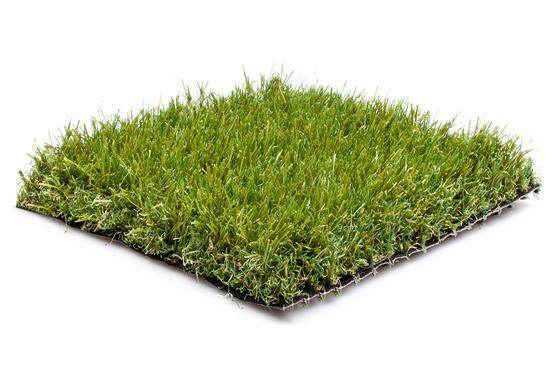
The most natural-looking artificial grass combines a believable colour blend, suitable pile height, appropriate density and fibres without excessive shine. Compare samples in the garden before choosing because daylight, pile direction, paving and planting can change how each option appears.
A convincing lawn comes from judging these features together. The final choice also needs to suit foot traffic, pets, children, furniture and the way you maintain the space.
What Makes Artificial Grass Look Real?

Artificial grass looks most convincing when its colour, fibre texture, pile height, density and pile direction suit the garden. No single feature creates a natural appearance.
Consider how the grass works with your planting, paving and expected use, then browse artificial grass samples to compare different options outdoors. A product that suits the setting will usually look more realistic than one chosen solely for its pile height or colour.
Choose a Natural-Looking Shade of Green
Choose a shade which suits your planting, paving and natural light. Bright, uniform greens can appear artificial, while very dark tones may overwhelm smaller spaces. Before deciding, compare artificial grass options and assess shortlisted samples outdoors, where sunlight and shade reveal their true appearance.
Does Darker Artificial Grass Look More Realistic?
Not always. Natural lawns vary in colour, so compare each sample with your garden rather than choosing the darkest option.
Why Does Artificial Grass Look Different in Sunlight?
Sunlight, shade and pile direction all affect colour and visible sheen, making outdoor sample testing the most reliable comparison.
Look for a Blend of Different-Coloured Fibres
A blend of green shades and muted curled fibres creates natural-looking variation, helping artificial grass appear less uniform. Judge the overall appearance from normal viewing distance rather than focusing on individual fibres.
What Is Thatch in Artificial Grass?
Thatch is the shorter curled fibre beneath the main pile. It can include green, brown or yellow tones that add depth and subtle colour variation, giving the lawn a more balanced, natural appearance.
Choose the Right Pile Height for Your Garden
The right pile height depends on your garden's size, style and intended use. Longer fibres create a softer appearance, while shorter and medium piles offer a neater finish for many spaces. For more guidance, read our artificial grass pile height guide.
Does Longer Artificial Grass Look More Real?
Not always. A longer pile may look fuller, although colour, density and texture also influence how natural the lawn appears.
Which Pile Height Works in a Busy Family Garden?
A medium pile can balance appearance with everyday use. Consider foot traffic, furniture and maintenance before making your choice.
Consider the Density of the Artificial Grass

Density affects how full artificial grass looks and how visible the backing appears. Compare it alongside pile height, fibre texture and intended use rather than treating it as the only measure of quality.
Is Denser Artificial Grass Better Quality?
Not necessarily. A denser product can create a fuller appearance, although a less dense option may suit your garden, budget or intended use just as well.
Look for Varied Fibre Shapes and Textures
A mix of straight and curled fibres with varied textures can create a less uniform appearance and improve the lawn's visual depth. Lower-sheen fibres may also appear less reflective in bright conditions. Compare samples outdoors from different angles rather than relying on close-up images, as lighting and viewing position can noticeably change how the grass looks.
Check the Direction and Position of the Pile
Pile direction affects how artificial grass reflects light, making the same product appear lighter or darker. Rotate samples outdoors before choosing, then plan your artificial grass layout to achieve a consistent finish.
Which Way Should Artificial Grass Face?
Artificial grass is usually laid with the pile facing the main viewing point, such as the house or patio. Keep every section aligned in the same direction to reduce noticeable joins.
Avoid Artificial Grass That Looks Too Perfect
A completely uniform lawn can appear less convincing beside mature or informal planting. Subtle variations in shade and texture may help the surface sit more naturally within the wider garden.
Uniformity is not automatically a drawback. A crisp finish can work well in a contemporary courtyard with structured borders and clean paving lines.
Natural-looking therefore means appropriate for the setting, not deliberately uneven.
Order Artificial Grass Samples Before Buying
Artificial grass samples are the best way to compare colour, pile height, texture and visible sheen before committing to a full order. Rather than selecting similar products, choose contrasting options to understand how different colour blends and pile styles look in your garden.
You can order free artificial grass samples to compare them outdoors beside your paving and planting, where changing light gives a much clearer impression than indoor viewing. Keep each sample labelled and assess the complete appearance instead of focusing on softness alone.
Compare Samples in Natural Light
Compare samples outdoors because natural light gives the clearest view of colour, texture and sheen. Place them beside paving and planting, then view them from the house and seating area. If you need help choosing, contact Tuda Grass for product advice with your shortlist.
Can You Trust Artificial Grass Product Photos?
Photos help you compare products, although screens and lighting can alter colour. Samples provide a more reliable comparison.
Will the Full Lawn Look Exactly Like the Sample?
Not always. Scale, pile direction and batch variation can affect the finished appearance.
Match the Grass to How Your Garden Will Be Used
The visually preferred grass is only a good choice if its specification also suits the space. Traffic, pets, furniture and cleaning requirements should form part of the comparison.
In a family garden, check how the pile responds when pressed and how easily you can brush it back into position. Pet areas need product-specific drainage and cleaning considerations. Furniture and repeated walking routes can also compress fibres over time.
Appearance and practical suitability need to be assessed together.
Consider How the Grass Will Look Beside Paving and Planting
Artificial grass looks more convincing when its colour complements the surrounding garden. Compare samples beside your paving, borders, fencing and decking to see how each option blends with existing materials.
A shade that works well with grey porcelain may look different beside warm brick or sandstone. Remember to check the view from inside your home, as this is where the lawn is most frequently seen.
Install and Maintain Artificial Grass for a Natural Finish
Good installation is just as important as choosing the right product. An even base, consistent pile direction and neat joins all contribute to a more natural appearance. For step-by-step guidance, read how to install artificial grass.
Can Brushing Make Artificial Grass Look More Natural?
Yes. Regular brushing lifts flattened fibres and helps maintain an even finish.
Do Visible Joins Make Artificial Grass Look Fake?
They can. Consistent pile direction and carefully finished joins create a smoother, more natural-looking lawn.
Common Mistakes When Choosing Natural-Looking Artificial Grass
The biggest mistakes come from judging one feature in isolation. Pile height, darkness, softness, density or a website photograph cannot tell you how the finished lawn will look in your garden.
Avoid choosing before viewing samples outdoors, ignoring pile direction or assessing colours away from surrounding materials. Do not select a decorative finish for demanding family or pet use without checking the relevant product specification.
Terms such as “luxury”, “premium” and “natural” are descriptions, not technical measurements.
Frequently Asked Questions About Realistic Artificial Grass
What Colour Artificial Grass Looks Most Natural?
There is no single best shade. Choose a colour that complements your garden and surrounding materials.
What Pile Height Looks Most Realistic?
The most suitable pile height depends on your garden's size, style and intended use.
Does Brown Thatch Make Artificial Grass Look Dead?
No. Brown or yellow thatch can add natural-looking colour variation beneath the main fibres.
Is Expensive Artificial Grass More Realistic?
Not always. Compare the complete specification rather than judging by price alone.
Why Does Artificial Grass Look Shiny?
Direct sunlight and fibre finish can make sheen more noticeable. Outdoor sample testing provides the clearest comparison.
How Many Artificial Grass Samples Should I Order?
Choose several contrasting options to compare colour, pile height and texture before buying.
Should All Artificial Grass Pieces Face the Same Way?
Yes. Consistent pile direction creates a more even appearance and reduces noticeable joins.
Can Artificial Grass Look Natural in a Small Garden?
Yes. Select a colour and pile height that suit the space, then compare samples beside your paving and planting before deciding.
Choosing artificial grass which looks convincing means comparing colour, thatch, pile height, density, sheen and fibre structure together. The same product can present differently depending on garden size, sunlight, surrounding materials and viewing direction.
Shortlist contrasting options, test them outdoors and assess how each one fits the way your garden will be used. You can then browse artificial grass samples or ask Tuda Grass for product advice before committing to the full area.
