
 Free Samples

 Super-Fast Delivery
 Excellent Reviews


Is Summer 2026 the Perfect Time to Upgrade Your Artificial Grass?
UK gardens reflect changing lifestyles, and artificial grass has become increasingly popular across many homes. Homeowners search for options that reduce maintenance work and keep gardens looking tidy throughout the year. Natural lawns require regular mowing, watering and patch repairs, which can become demanding during busy months.
Summer renovation projects bring attention back to outdoor spaces. Warmer weather draws people outside, and gardens play a larger role in family life. Interest in practical landscaping choices has increased, with homeowners exploring ways to refresh patios, seating areas and lawn spaces.
Could summer 2026 present a good time to upgrade a lawn using artificial grass? Who knows, but it’s important to think about how your garden conditions, seasonal activity and product improvements all influence that answer.
Why Artificial Grass is a Smart Choice

Artificial lawns appeal to homeowners who want gardens that remain tidy without constant upkeep. Natural grass wears down in busy households, particularly where children, pets or frequent use are factors.
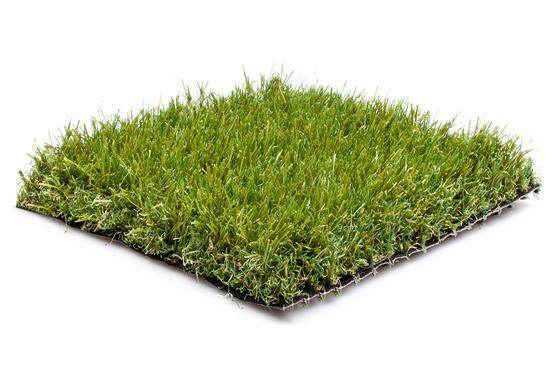
Modern artificial grass products used across the UK look far more natural than earlier versions. Manufacturing improvements now deliver fibres, textures and colours that closely mirror natural turf.
Homeowners exploring artificial grass for gardens often recognise several practical advantages:
-
Low maintenance lawn solution – mowing, watering and fertilising largely disappear from routine garden care
-
Year round green appearance – lawns retain colour through wet winters and dry summers
-
Pet and child friendly surface – durable fibres handle play areas and garden activity
-
Durable and weather resistant – modern materials cope with heavy foot traffic and seasonal weather changes
-
Reduced watering and lawn care – water use drops significantly compared with natural lawns
Demand across UK households has increased in recent years. Many garden upgrades now focus on manageable outdoor spaces that maintain an attractive appearance.
Why Summer 2026 Could Be the Perfect Time
Summer brings favourable conditions for outdoor projects. Ground preparation becomes easier during drier periods, and installation work progresses faster without persistent rainfall.
Long daylight hours allow homeowners and installers to spend more time outdoors. Garden work can continue later into the evening, which makes renovation projects more manageable around busy schedules.
Lifestyle patterns influence timing. Families use their gardens more during the summer months. Barbecues, gatherings and outdoor relaxation areas become part of daily routines.
Design inspiration continues to grow across online searches and landscaping blogs. Many homeowners explore new artificial grass ideas while planning garden updates.
Several garden upgrade trends emerging during 2026 include:
-
Multi-use garden spaces for dining and relaxation
-
Defined seating zones using paving or decking
-
Pet-friendly lawn areas that resist muddy patches
-
Low upkeep planting combined with artificial lawns
These trends reflect a shift toward gardens that remain attractive without demanding constant maintenance.
Choosing the Right Artificial Grass
Artificial grass products vary more than many homeowners expect. Fibre structure, backing materials and manufacturing methods influence how the lawn performs in everyday use.
Homeowners comparing options for the best artificial grass for garden projects often focus on durability and appearance. A quality surface retains shape, drains efficiently and maintains colour through changing seasons.
The table below outlines key product features to review before installation.
|
Feature |
Why It Matters |
|
Pile height |
Influences comfort underfoot and overall lawn appearance |
|
Density |
Higher density improves durability and visual realism |
|
Drainage backing |
Allows water to pass through, preventing pooling |
|
UV resistance |
Helps fibres retain colour under prolonged sunlight |
Higher quality materials often deliver stronger long-term value. A lawn that remains attractive for many years reduces the need for replacement or repair.
Installation Tips for a Summer Upgrade
 Homeowners planning artificial grass installation during summer often find the process manageable with proper preparation. A structured approach helps create a level, stable surface.
The typical installation process includes these stages:
Remove existing turf and debris
Existing grass, roots and stones should be cleared from the area. Removing organic matter creates a stable base.
Prepare and level the base
A compacted sub-base, usually crushed stone or aggregate, provides strong support. Levelling tools create an even surface across the lawn.
Install a proper drainage layer
Effective drainage allows rainwater to pass through quickly and prevents puddles from forming after heavy rainfall.
Lay and secure the artificial grass
Rolls of turf are positioned carefully across the prepared base. Joining tape and fixing pins secure sections firmly.
Brush fibres and check edges
A stiff brush lifts fibres upright to improve appearance. Edges should sit flush against borders, paving or decking.
Preparation and accurate fitting contribute to a professional result.
Benefits in Real Life Scenarios
Many households choose artificial lawn UK installations after repeated lawn damage. Family gardens often develop worn patches where football games or running children place stress on natural grass.
Artificial turf provides a consistent surface that handles regular activity without turning muddy after rain. Parents value outdoor spaces where children can play throughout the year.
Garden entertainment areas offer another example. Outdoor dining spaces, patios and barbecues frequently sit beside lawn sections. Artificial grass keeps these areas tidy, without soil being carried indoors during wet weather.
Retirement gardens present a different situation. Homeowners seeking simpler garden upkeep often replace natural lawns with artificial turf. The lawn remains neat with minimal effort, allowing more time to enjoy the space.
Summer renovation periods encourage homeowners to refresh outdoor areas. Longer days, favourable weather and increased garden use support seasonal upgrades.
Artificial lawns provide a practical alternative to natural grass for many UK gardens. Reduced maintenance, consistent appearance and durable materials offer clear advantages.
Homeowners planning to upgrade gardens with artificial grass may find summer installation convenient. Dry conditions support ground preparation, and installation work progresses efficiently.
Anyone exploring options for their garden can review product ranges or seek guidance from the team at Tuda Grass, contact us today with any questions and discuss the right artificial grass solution for your outdoor space.
