
 Free Samples

 Super-Fast Delivery
 Excellent Reviews


Can Artificial Grass Be Recycled?
Artificial grass is often chosen for its tidy appearance, low maintenance requirements and year-round usability. However, as more homeowners consider the environmental impact of their purchases, one standout question we are asked is can artificial grass be recycled?
Well, both yes and no; some artificial grass products and components may be recyclable, but recycling options depend on the product itself and the facilities available locally.
Here, we explain how artificial grass is made, what happens when it is removed, the challenges associated with recycling and how homeowners can make more informed long-term purchasing decisions.
What Is Artificial Grass Made From?

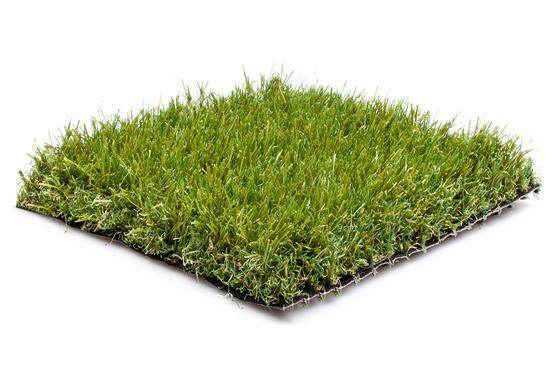
Artificial grass is typically manufactured from synthetic materials designed to provide durability, weather resistance and a natural-looking appearance.
Understanding how artificial grass is constructed helps explain why recycling can be more complex than many people expect.
Common Artificial Grass Materials
Most artificial grass products use fibres made from materials such as:
-
Polyethylene
-
Polypropylene
-
Nylon
These materials are selected for their durability, appearance and suitability for outdoor use.
Backing Layers Explained
Beneath the fibres sits a backing layer that helps hold the grass together and maintain its structure.
Depending on the product, the backing may consist of different synthetic materials and bonding methods.
Why Construction Matters For Recycling
Artificial grass often combines multiple materials within a single product. While this helps create a durable lawn, it can also make material separation and recycling more challenging.
For homeowners comparing options, exploring different artificial grass products and understanding their construction can help support more informed purchasing decisions.
Can Artificial Grass Be Recycled?
Some artificial grass products can be recycled, but recycling options depend on product construction, local facilities and how the grass was installed.
Not every artificial lawn can be placed into standard recycling collections. In many cases, specialist facilities are required to process the different materials used within the product.
Factors that may influence recycling options include:
-
Material composition
-
Product condition
-
Installation methods
-
Contamination from soil, sand or debris
-
Availability of specialist recycling services
As a result, recycling should be viewed as a potential option rather than a guaranteed outcome for every installation.
Why Recycling Artificial Grass Matters
Recycling helps reduce waste and supports efforts to use materials more efficiently.
As sustainability becomes a bigger consideration for homeowners, many people want to understand what happens to artificial grass at the end of its useful life.
However, recycling is only one part of the picture.
Product lifespan can be equally important. A durable product that remains functional for many years may require less frequent replacement, reducing the overall demand for new materials.
This is one reason why quality often matters when evaluating long-term environmental considerations.
Which Parts Of Artificial Grass Can Be Reused Or Recycled?
Different parts of an artificial grass system may have different recycling or reuse options.
|
Component |
Potential Reuse |
Potential Recycling |
|
Grass fibres |
Sometimes |
Depends on product and facilities |
|
Backing materials |
Limited |
Depends on construction |
|
Infill materials |
Sometimes |
Depends on material type |
|
Shockpads |
Often reusable in some situations |
Depends on local facilities |
Suitability will vary depending on the condition of the materials and the recycling services available in your area.
How Modern Artificial Grass Products Are Becoming More Sustainable

Manufacturers continue to explore ways of improving product durability, material efficiency and recyclability.
Many developments focus on:
-
Extending product lifespan
-
Improving material performance
-
Exploring alternative construction methods
-
Supporting future recycling opportunities
While progress continues across the industry, environmental claims should always be assessed carefully and supported by verified information.
What Happens To Artificial Grass After Removal?
Removed artificial grass may be reused, recycled or disposed of depending on its condition and the facilities available.
The first step is removing the lawn from its installation area and assessing its condition.
Homeowners planning a replacement project may find our guide to removing old artificial grass useful before beginning work.
Where the grass remains in reasonable condition, some sections may be suitable for reuse. If recycling options are available locally, materials may be assessed for processing. In other situations, disposal routes will depend on local waste management services.
Challenges Associated With Recycling Artificial Grass
Recycling artificial grass can be challenging because products often combine multiple materials.
Several factors can make recycling more complicated than many homeowners expect.
Mixed Material Construction
Artificial grass frequently contains different synthetic materials bonded together during manufacturing. Separating these materials can be difficult and time-consuming.
Limited Specialist Facilities
Not all recycling centres are equipped to process artificial grass. Access to specialist facilities varies across different regions.
Contamination Issues
Soil, sand, organic debris and installation materials can all affect the recycling process and may limit available options.
These challenges explain why artificial grass recycling is still developing in many areas.
How Long Artificial Grass Typically Lasts Before Replacement
Artificial grass is designed as a long-term landscaping solution, although lifespan varies depending on product quality, installation and usage.
Several factors can influence longevity:
-
Foot traffic levels
-
Installation quality
-
Maintenance routines
-
Environmental conditions
Homeowners researching how long artificial grass lasts should focus on the overall quality of the product and installation rather than relying on a single lifespan estimate.
Choosing a suitable product from the outset may help reduce the likelihood of premature replacement.
Ways To Extend The Lifespan Of Artificial Grass
Regular maintenance and correct installation can help maximise product longevity.
Simple care routines often make a significant difference over time.
Lifespan Maintenance Checklist
-
Remove leaves and debris regularly
-
Clean spills promptly
-
Brush fibres when required
-
Inspect joins and edges periodically
-
Follow manufacturer care guidance
-
Avoid unnecessary surface damage
Simple measures such as choosing the right artificial grass from the start and maintaining it correctly can contribute to longer-term performance and satisfaction.
Can Old Artificial Grass Be Repurposed Around The Home Or Garden?
In some situations, old artificial grass may be suitable for secondary uses around the home or garden.
Potential examples include:
-
Shed flooring
-
Pet areas
-
Temporary ground cover
-
DIY and craft projects
-
Protective surfaces for garden work
Repurposing may not be suitable for every installation, but it can help extend the useful life of materials that remain in good condition.
Environmental Considerations When Choosing Artificial Grass
Environmental considerations should include durability, maintenance requirements, expected lifespan and disposal options.
Rather than focusing solely on whether a product can be recycled, it is worth considering the entire ownership journey.
Questions worth asking include:
-
Is the product suitable for its intended use?
-
Is it designed for long-term performance?
-
How should it be maintained?
-
What options may be available at the end of its life?
Looking at these factors together provides a more balanced view than focusing on recycling alone.
What To Ask Suppliers About Sustainable Artificial Grass Products
Asking the right questions can help buyers make more informed decisions.
Buyer Checklist
Before purchasing artificial grass, consider asking:
-
What materials are used in the fibres and backing?
-
What maintenance is recommended?
-
Is the product suitable for my intended use?
-
Can samples be provided?
-
Are there any disposal or recycling considerations I should be aware of?
-
What factors influence product longevity?
These conversations can help ensure the chosen product aligns with your expectations and priorities.
Frequently Asked Questions About Artificial Grass Recycling
Can all artificial grass be recycled?
No. Recycling options depend on product construction, condition and local facilities.
What happens to old artificial grass?
It may be reused, recycled or disposed of depending on available options.
Is artificial grass environmentally friendly?
Environmental impact depends on several factors, including lifespan, maintenance requirements, manufacturing processes and end-of-life management.
How long does artificial grass last?
Longevity varies depending on product quality, installation standards and maintenance.
Can artificial grass be reused?
In some situations, yes. Sections in good condition may be suitable for secondary uses.
Can shockpads be recycled?
This depends on the material used and the facilities available locally.
Does artificial grass go to landfill?
In some cases, disposal routes may include a landfill where recycling or reuse options are not available.
Artificial grass recycling is improving, but options vary depending on product construction and local recycling facilities. Choosing durable products and extending lifespan remain important considerations.
For many homeowners, the most practical approach is to consider the entire lifecycle of a product rather than focusing solely on recycling. Durability, maintenance requirements, reuse opportunities, and responsible disposal planning all play a role in long-term decision-making.
Explore our artificial grass range and, if you would like guidance on choosing the right product for your garden, please contact us for advice from the Tuda Grass team.
