
 Free Samples

 Super-Fast Delivery
 Excellent Reviews


What Is Artificial Grass Made From? A Simple Guide
Artificial grass is made from several components rather than one material. Synthetic fibres create the visible pile, while a backing system supports them underneath. Some installations also require infill and separate sub-base materials.
Understanding these parts makes product specifications easier to compare. Fibre material matters, although pile height, density, backing, drainage and intended use also influence product choice. This guide explains what artificial grass is made from and which construction details deserve attention when choosing the right option for your garden.
Understanding the Different Layers of Artificial Grass

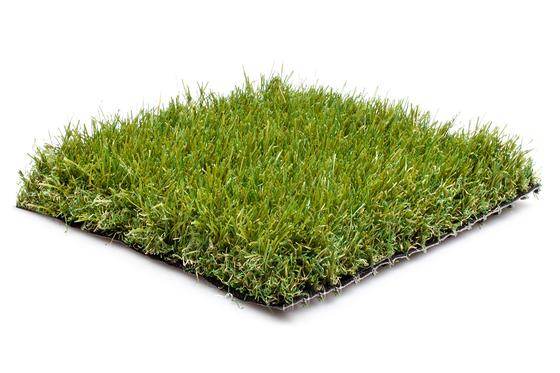
Artificial grass has several components. The fibres create the visible surface, while the backing forms the underside and holds those fibres in place.
Pick up a sample and work from top to bottom:
-
Pile or fibres: Synthetic strands designed to resemble grass.
-
Backing: The underside securing the fibres.
-
Secondary backing: An additional layer used on some products.
-
Drainage features: Openings or designs that allow water through.
Infill and sub-base materials are separate installation components.
What Are Artificial Grass Fibres Made From?
Artificial grass fibres are commonly made from synthetic polymers, including polyethylene (PE), polypropylene (PP) and nylon. A polymer is a material used to create the yarn forming the visible pile.
The exact construction varies between products. Some grasses combine different polymers within the pile. Current Tuda Grass specifications, for example, include products using straight PE yarn alongside curled PP yarn.
Fibre composition is worth checking, although pile height, density, backing and intended use also influence the finished product.
Polyethylene vs Polypropylene vs Nylon Artificial Grass
Polyethylene, polypropylene and nylon have different properties, although finished performance also depends on pile, density, fibre design and backing.
|
Material |
Where You May Encounter It |
What This Means for Buyers |
|
Polyethylene |
Commonly used for visible yarn |
Assess its feel within the finished pile |
|
Polypropylene |
Used in yarn and backing |
Check its role within the product |
|
Nylon |
Found in some artificial turf |
Review the full specification and intended use |
Similar polymers can produce noticeably different grasses. Compare the complete construction when browsing artificial grass rather than treating material as a quality rating.
What Is the Backing of Artificial Grass Made From?
The backing forms the underside of artificial grass and secures its fibres. Its materials and construction vary between products.
Current Tuda Grass specifications include polypropylene primary backing, mesh reinforcement and secondary latex coatings across different products. This means two grasses can look similar from above while having different structures underneath.
When comparing samples, turn them over and examine the backing alongside the pile. Understanding what makes premium artificial grass different can also help you assess the complete construction rather than appearance alone.
What Materials Are Used for Artificial Grass Infill?

Infill is material placed between artificial grass fibres where the product or installation requires it. It is separate from the backing and sub-base.
The three terms have different roles:
-
Backing: Forms part of the artificial grass.
-
Infill: Sits between the fibres where required.
-
Sub-base: Creates the prepared foundation beneath the turf.
Silica sand is one infill option. Always follow the guidance for your chosen grass, as infill type and requirements can vary between products and installations.
How Do the Materials Affect the Look and Feel of Artificial Grass?
Materials can influence how artificial grass looks and feels, alongside pile height, density, fibre shape, colour and construction.
When comparing samples, check:
-
how the pile feels underfoot
-
how dense the surface appears
-
how fibres respond when pressed
-
the colour in natural daylight
-
the backing construction.
Physical samples make these differences easier to assess. Avoid judging grass by fibre material or pile height alone. Instead, consider how the complete product looks, feels and suits its intended use.
Does the Material Affect Durability and Lifespan?
Fibre and backing materials can influence performance, although material type alone cannot determine how long artificial grass will last.
Durability also depends on:
-
pile and overall construction
-
type and level of footfall
-
installation quality
-
maintenance
-
environmental exposure
-
intended use.
A busy family garden places different demands on grass than a decorative area. When comparing products, consider the complete specification and how the space will be used rather than choosing a supposedly tougher polymer.
How Artificial Grass Materials Affect Drainage
Drainage depends on the turf construction, prepared base and existing ground rather than the grass fibres alone. Water needs a suitable route through the complete installation.
Think of drainage as a sequence:
Surface → Backing → Prepared Base → Existing Ground
A well-draining turf cannot resolve underlying site drainage problems by itself. Check the product’s drainage design alongside ground conditions and base preparation. This gives a clearer picture of how water will be managed once the artificial grass has been installed.
Are Artificial Grass Materials Safe for Children and Pets?
Child and pet suitability should be checked against the individual product specification rather than assumed from its fibre material.
For gardens shared by children and pets, check:
-
the product’s intended use
-
available testing or manufacturer information
-
drainage requirements
-
secure joins and edges
-
cleaning and maintenance needs.
A polymer name alone does not establish suitability. Review the evidence provided for each grass and consider how the finished lawn will be installed, used and maintained before making your choice.
Can Artificial Grass Be Recycled?
Whether artificial grass can be recycled depends on its complete construction and available recycling routes. A recyclable polymer does not automatically make the finished turf recyclable.
Artificial grass may combine fibres, backing, coatings and other materials. Some products are designed specifically with recyclability in mind.
Check the specification for your chosen grass and investigate suitable end-of-life options in your area. Avoid relying on broad claims about plastic recycling, as facilities and processes can differ between locations and products.
What Should You Look for When Comparing Artificial Grass?
Do not choose artificial grass from fibre material alone. Compare the complete product against your garden’s appearance, use and maintenance needs.
Before buying, check:
-
Fibre composition: Which materials are used.
-
Pile height: The height and appearance of the fibres.
-
Density: How full the surface feels.
-
Backing: How the underside is constructed.
-
Drainage: Product design and ground conditions.
-
Intended use: Footfall, pets and children.
-
Appearance: Colour and feel in person.
Where possible, compare samples before exploring the wider artificial grass range.
Frequently Asked Questions About Artificial Grass Materials
Is Artificial Grass Made From Plastic?
Artificial grass commonly uses synthetic polymers such as polyethylene and polypropylene, alongside backing and coatings.
Is All Artificial Grass Made From the Same Material?
No. Fibre composition, backing and overall construction can vary considerably between products.
Which Artificial Grass Material Is Best?
No single material suits every garden. Consider intended use, construction, drainage, appearance and maintenance requirements.
Does More Expensive Artificial Grass Use Different Materials?
Price does not reveal which materials a product contains or whether it suits your project. Compare the complete specification rather than using cost as a quality indicator.
For help understanding individual product specifications, contact us for guidance
